FAST Program
The forensic and archaeology geophysics program utilizes non-invasive, near-surface geophysical methods to address research problems. Geophysical methods have been recognized in these fields for their speed, cost-efficiency, and reliability in detecting buried targets and features. The forensic and archaeology geophysics research program focuses on combining different types of near-surface geophysical methods to locate unique targets, in particular (but not limited to) bone remains and prehistoric features.
Both archaeological and forensic targets are unique because they range in depth of burial, size of the target, physical properties, and age since burial. This means that there is not one single geophysical method that can be used to locate or detect these types of targets. However, by utilizing multiple geophysical methods, important archeological features such as foundations, earthworks, ditches, graves, house features and hearths have been located. These non-invasive methods help assist archaeologists to delineate targets before an excavation or at sites where excavation is not allowed, to monitor site preservation, or to help protect a site or feature from any future disturbances. In forensic investigations, geophysical methods can be used to locate graves and/or buried evidence.
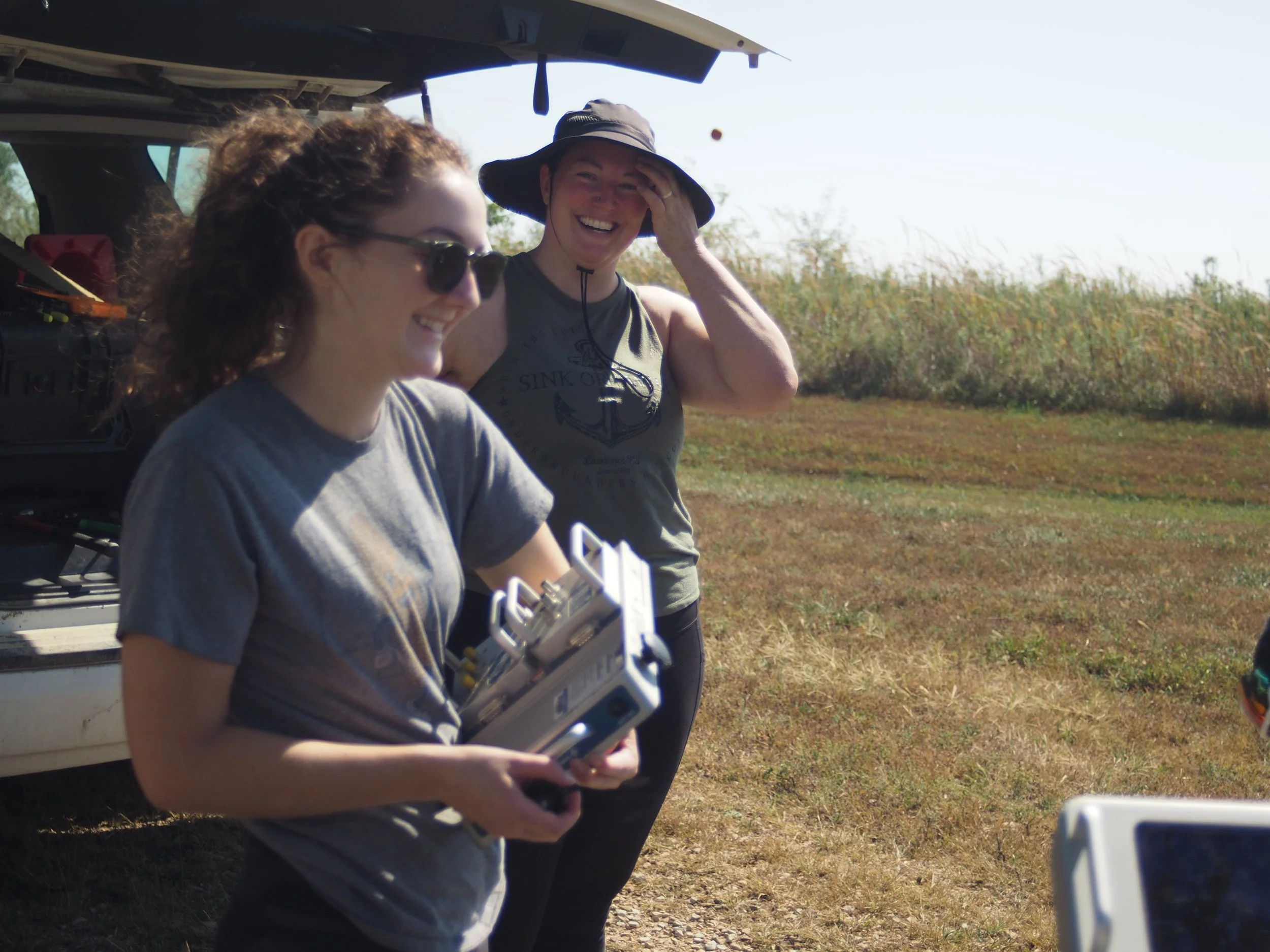
Our Team
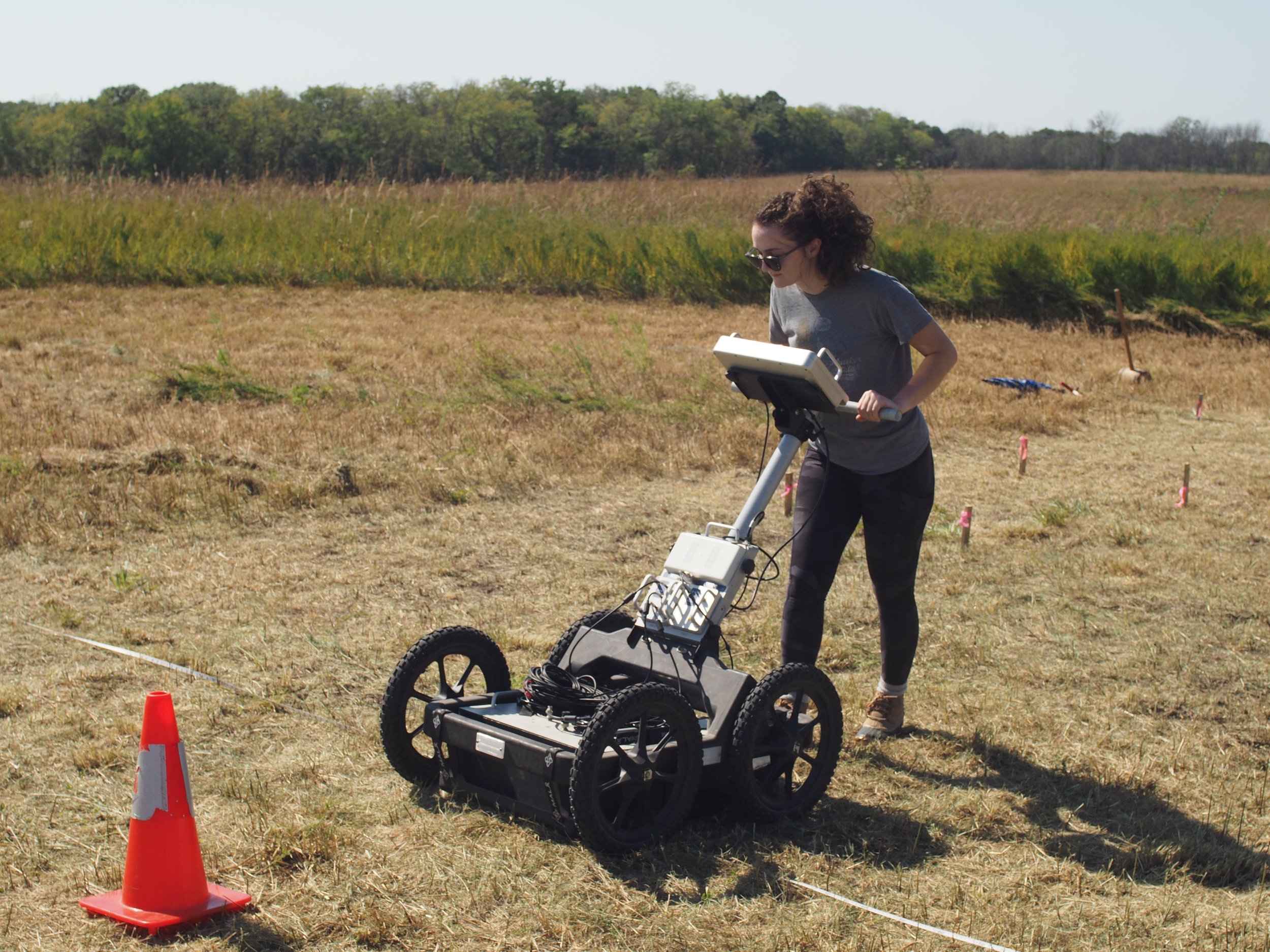
Katie
I am a PhD geology student focusing on the forensic geophysics aspect of FAST. I primarily work with ground-penetrating radar, electrical resistivity, electrical conductivity, and magnetometry to further develop the application of these methods for the search of clandestine graves. My love of geophysics led me to explore how it can be used to help others, and my goal is to help people locate their missing family and friends. I enjoy working with the FAST program because it has exposed me to a wide variety of applications where geophysics can be used, and everyone on the FAST team is amazing to work with! I am not sure where the future will take me but I am positive that FAST will help prepare me for whatever is ahead.
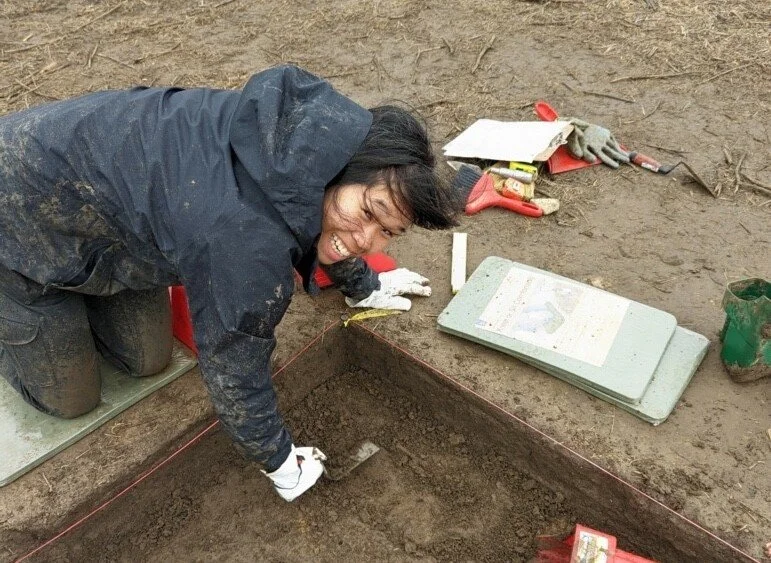
Olivia
I recently graduated from KU with a degree in Anthropology. In the future, I plan to pursue graduate study in biological anthropology with a concentration on forensic sciences. With the FAST program, I get to explore my interests in archaeology and forensics by learning about the geological processes involved in site formation and decomposition, and approaching them through a new lens, geophysics. My favorite things about FAST are all the methods we get to use, studying local cemeteries and their histories, and the people!
Tommy
I am an archeologist that graduated from KU back in 2023 with a degree in Anthropology and Classics. I love being outside and digging in the dirt, so Archeology and Paleontology are a natural fit. I joined the FAST Program to expand my knowledge on different techniques that can be used in the field.
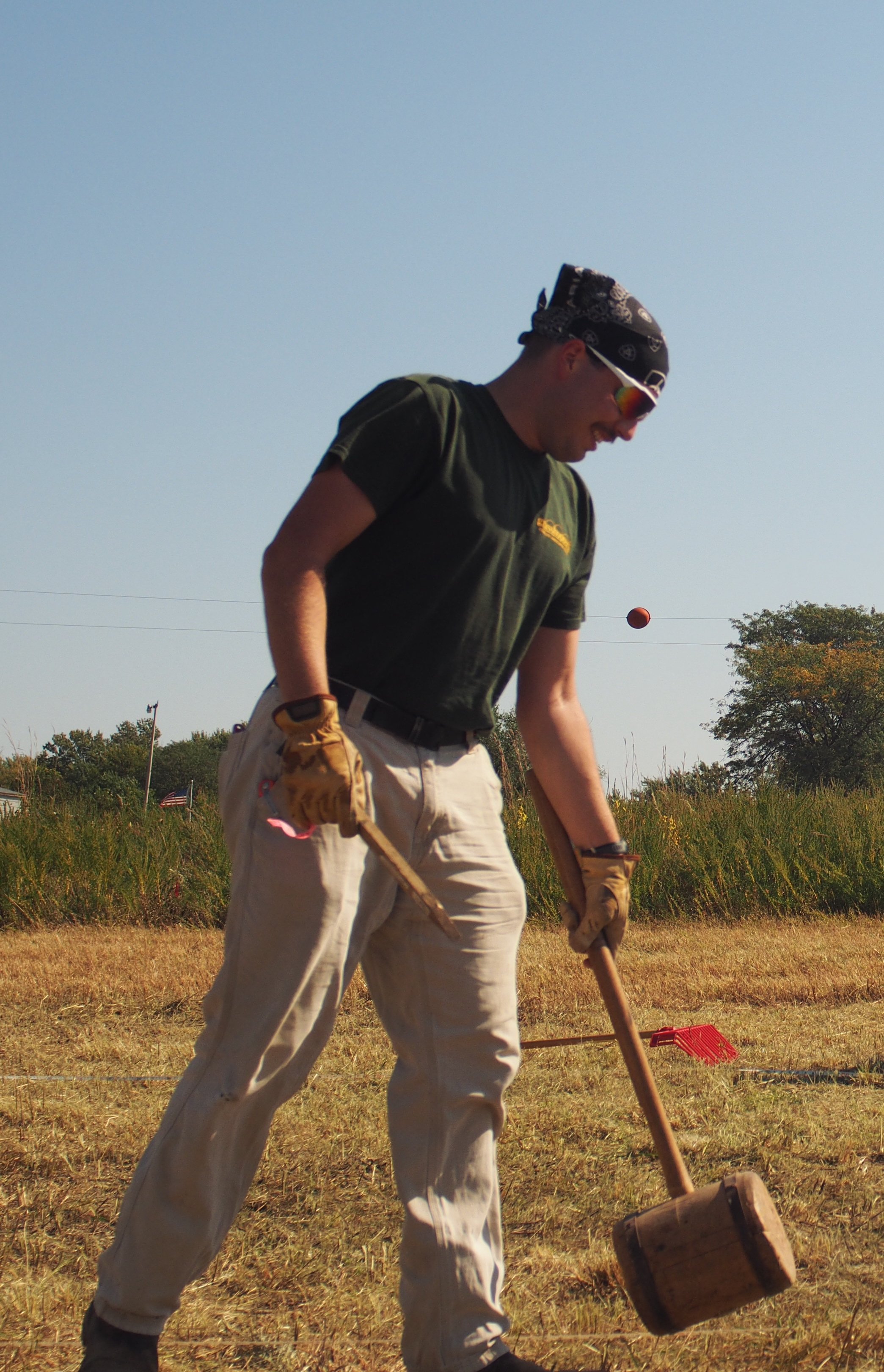
Jacob
I am currently an undergraduate at Ku for my Bachelor’s in Anthropology. I joined the FAST program in 2025. Being a part FAST has allowed me to get a better understanding of the relationship between archaeology and geology, which are both interests and possible future careers that I can see myself enjoying! Being on the team also has afforded me a great opportunity to gain some long-term team cooperation experience as well as time in the field. I have also had the chance to become familiar with geophysical survey methods that are so multi-functional and can be used across many fields including archaeology, forensics, and geology.
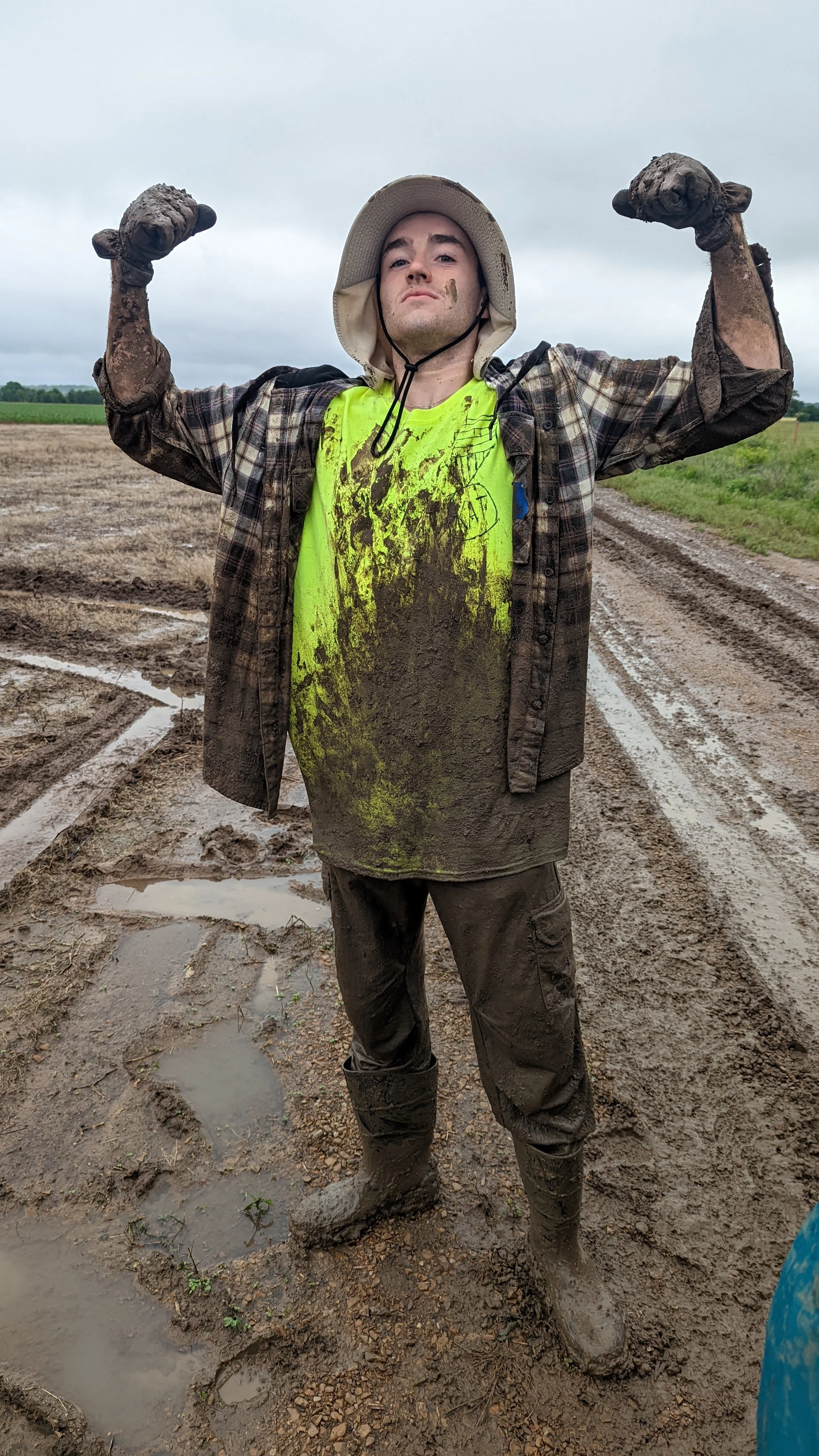
Ky
I am an undergraduate student at KU studying to get my bachelor's degree in both History and the new Data Science degree. My hope is that I can combine these skill sets with the geological and anthropological methods of the FAST program to better synthesize data and expand the possibilities of both fields.
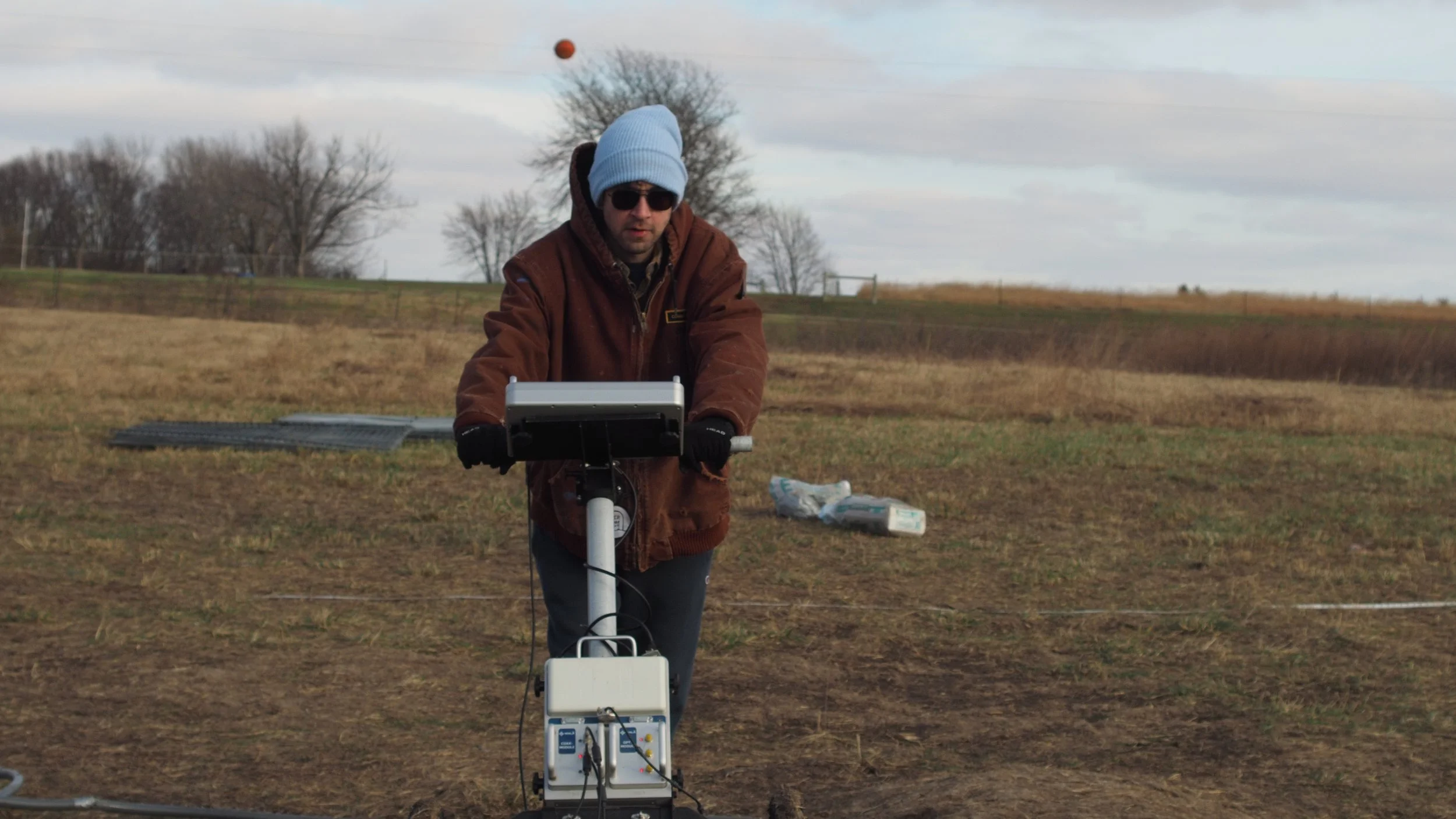
James
I’m an English and Expanded Media major with an affinity for archaeology work of any kind. The FAST program affords me the opportunity to learn about the geological side of things and gain familiarity with all of the various tools associated with non-invasive archaeology. I also get to do archival research in libraries and museums to learn more about the sites we work with.
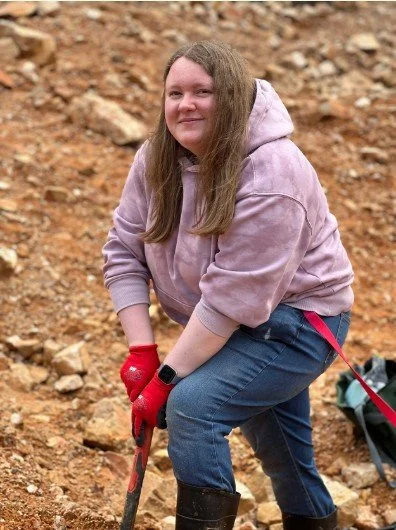
I’m a senior in Geology. My interest in geophysics grew from my exposure to forensic science in my early years. FAST has allowed me an opportunity to hone my skills in conducting field surveys, processing data, and using coding to support data interpretation. The program has instilled in me a newfound passion for working with numbers and figures. What I love most about working with FAST is becoming familiarized with the different ways geophysical methods can help answer forensic questions.
Alleh
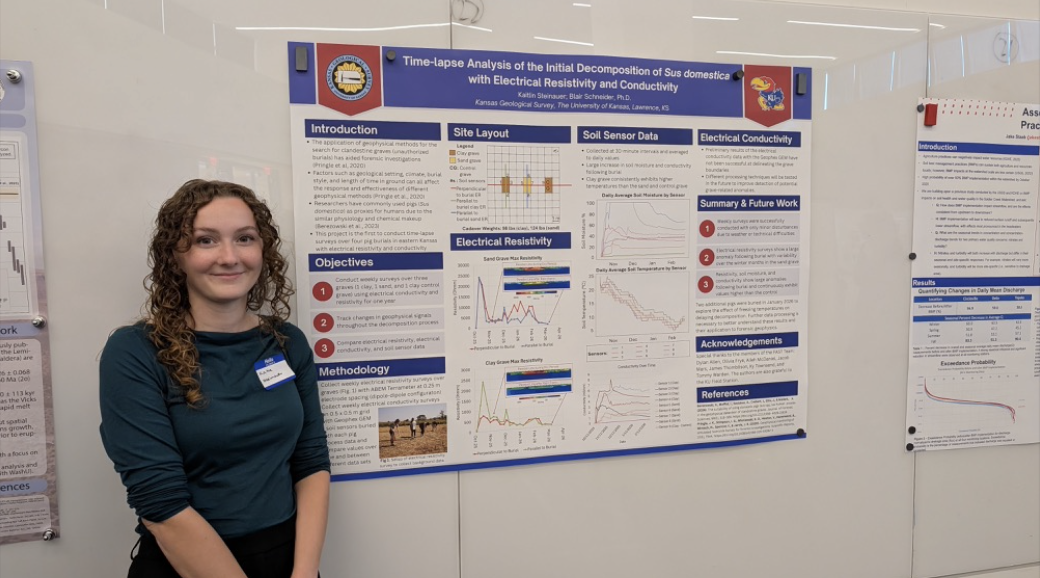
PhD student Katie Steinauer presents on her work at the University of Kansas Department of Geology G-Hawker Symposium
• ANTH 419: Summer Archeological Field Work
• GEOL 591: Earth science methods for archaeological and forensic investigations
• GEOL 856: Geophysical Methods for Environmental Applications
Relevant Courses
• Schneider, B., Tsoflias, G., Steeples, D., Mandel, R. and Hofman, J., 2018, Bone permittivity and its effect on using GPR: Geophysics, v. 83, no. 1, p. H1-H11: https://doi.org/10.1190/geo2017-0128.1
• Dalan, R., Sturdevant, J., Wallace, R., Schneider, B. and De Vore, S., 2017, Cutbank geophysics: Expanding magnetic investigations using magnetic susceptibility testing at an Awatixa Hidatsa Village, North Dakota: Remote Sensing, v. 9, no. 12, doi:10.3390/rs9020112.
• Schneider, B.B., Mandel, R.M., Tsoflias, G., De Vore, S.L and Lynott, M., 2016, Combining ER and GPR surveys for evidence of prehistoric landscape construction: Case study at Mound City, Ohio, USA: Journal of Applied Geophysics, v. 129, p. 178-186. https://doi.org/10.1016/j.jappgeo.2016.04.002.